
Beginner's Guide to Keeping Birds
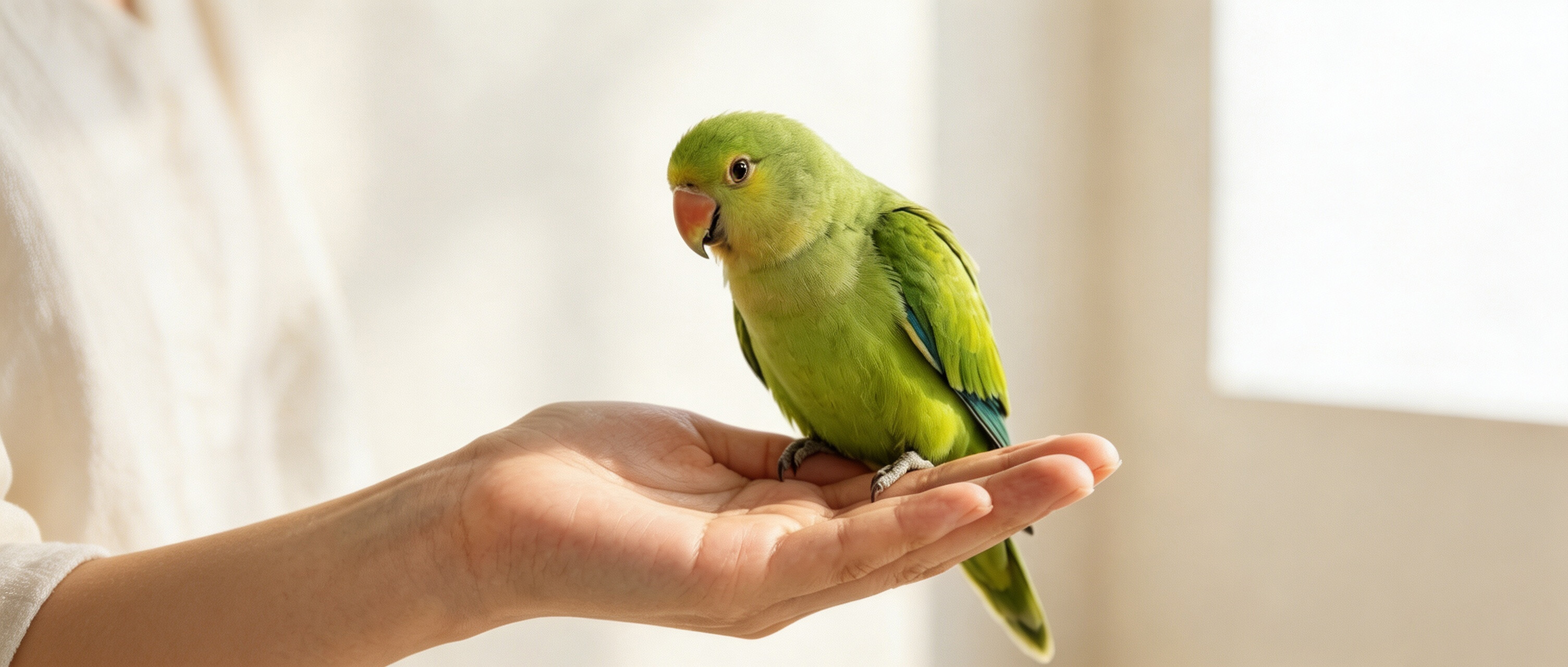
Many first-time parrot owners make common mistakes right from the start: buying round cages, choosing breeds blindly, stress-induced feather plucking upon arrival, and struggling with hand-taming. This comprehensive guide covers everything—from gear selection and breed choice to spotting healthy chicks and mastering taming techniques. Perfect for beginners; just follow these steps.
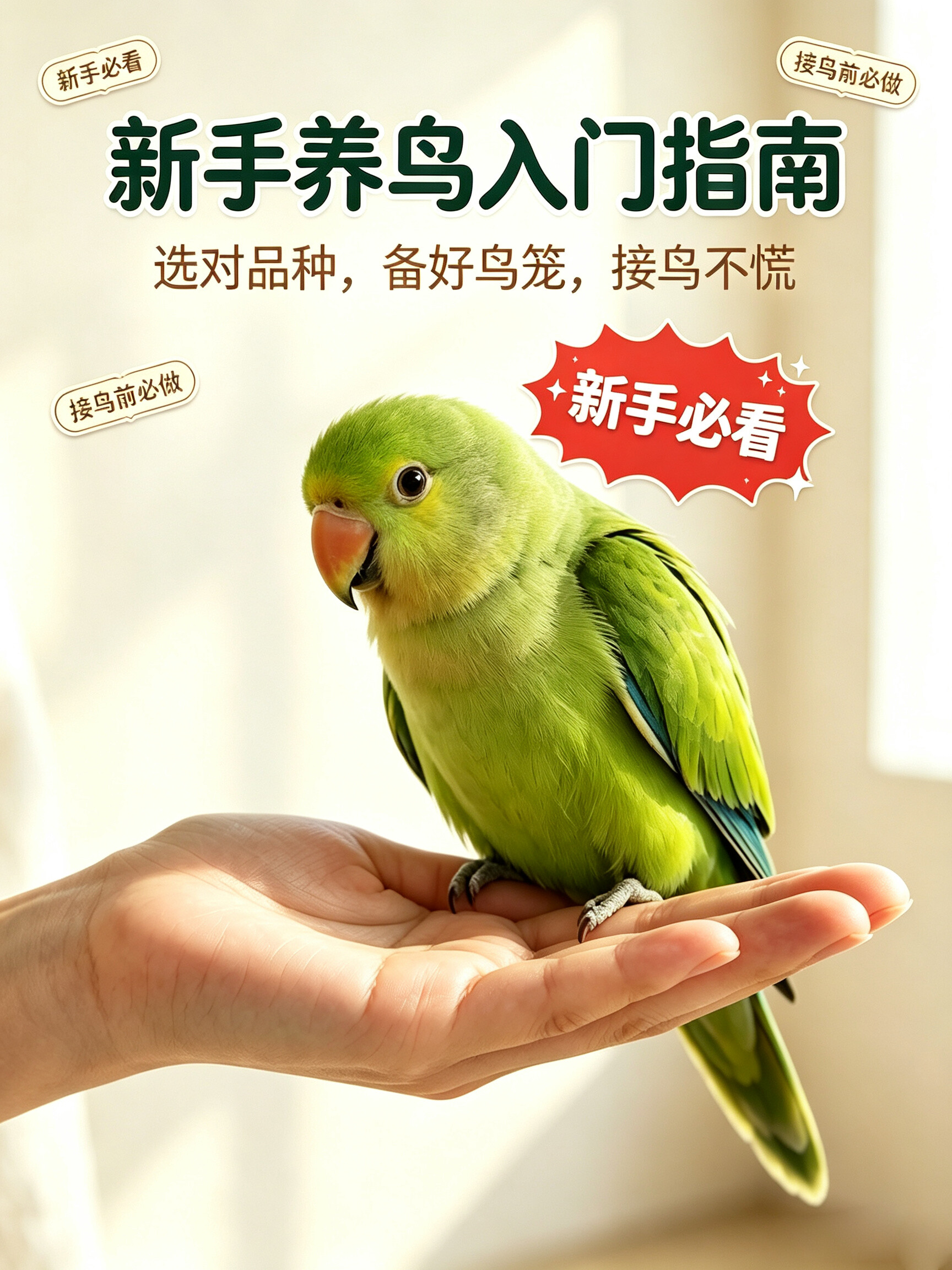
Before bringing your bird home, make sure you have these 3 items ready.
Essential Starter Kit for New Parrots: Don't Miss a Thing to Prevent Stress New parrots are fragile. Without the right environment, food, and perches ready, they are prone to diarrhea, refusal to eat, and panic-induced cage collisions.
Core Living: Square Stress-Reducing Cage – The spacious square design gives parrots a secure sense of territory, offering more stability than round cages. Constructed from stainless steel and solid wood to resist chewing and corrosion, the elevated legs allow robot vacuums to clean underneath effortlessly, eliminating hard-to-reach corners.
Food Transition: Request the bird's previous food from the seller. Gradually mix it with the new diet and pellets to prevent digestive stress caused by sudden changes.
Daily Consumables: Sichuan Pepper Wood Perch + Cuttlebone for Natural Claw Sharpening and Foot Care. Cuttlebone provides daily calcium supplementation, aids in beak trimming, and prevents overgrowth.

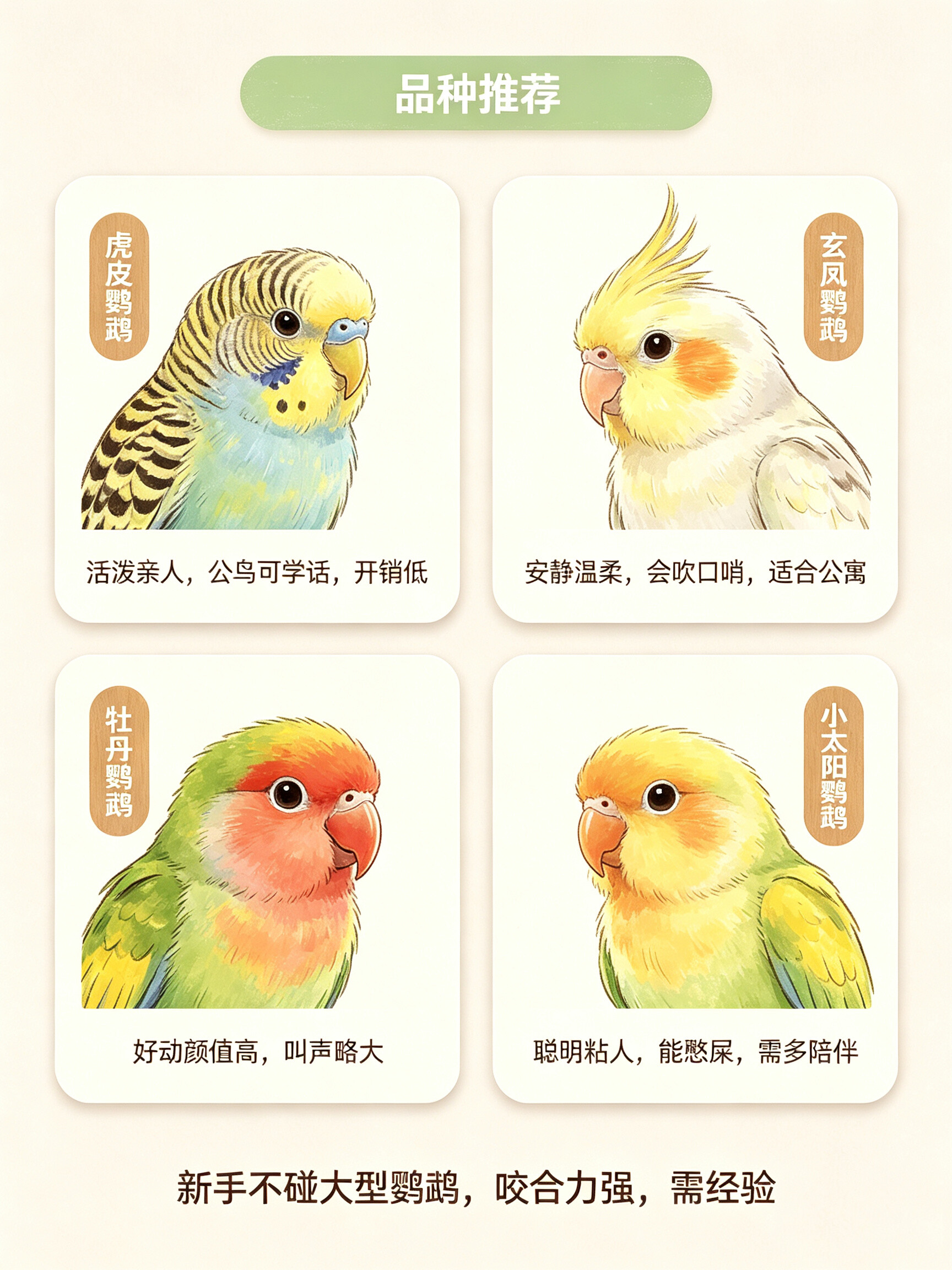
4 Best Parrots for Beginners: Safe Picks You Can Trust
4 Beginner-Friendly Parrot Breeds: Pros & Cons to Avoid Large Macaws, African Greys, and Others with Strong Beaks and High Maintenance. Start with These Four:
Budgerigar: Unbeatable value, lively and affectionate. Males can learn to talk, with very low monthly care costs.
Cockatiel: The Apartment-Friendly Choice – Calm, Gentle, and Great at Whistling Without Disturbing Neighbors
Lovebirds: Stunning appearance with vibrant colors. Note: Some individuals can be quite loud, so patience is required.
Sun Conure: Highly interactive, smart, and affectionate. Trainable for pooping in a designated spot, but requires lots of companionship time.
⚠️ Gentle Reminder: New owners should avoid large parrots due to their strong bite force. Proper care requires substantial experience.
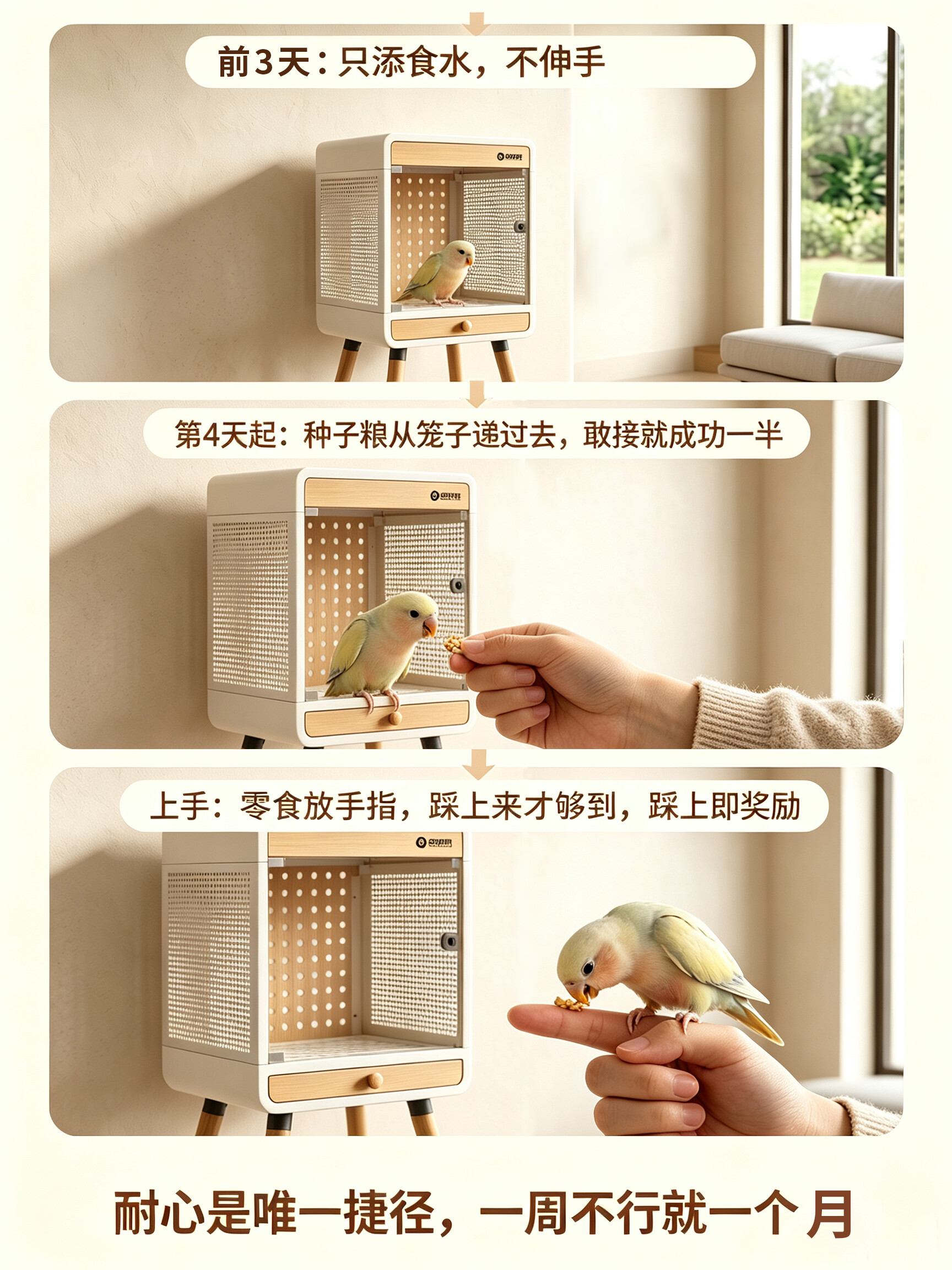
Step-by-step taming for caged parrots to become hand-tame: 3 easy steps
Beginner Training: Even Shy Parrots Will Learn to Step Up Many birds are afraid of humans when they first arrive. Forcing your hand out only increases their resistance. With patience and step-by-step guidance, you can help them overcome their fear.
3 days before arrival: Add only food and water. Keep a quiet, distant presence without touching or disturbing them, allowing them to adjust to their new environment.
Day 4: Feed through the cage slats using seed grain. If it accepts the food willingly, you're halfway there.
Basic Training: Place a treat on your fingertip so the dog must step onto your hand to reach it. Reward immediately each time it steps up.
There are no shortcuts to training. If you don't see results in a week, stick with it for a month. Don't rush.
Select healthy chicks in 4 steps, ensuring no sick birds
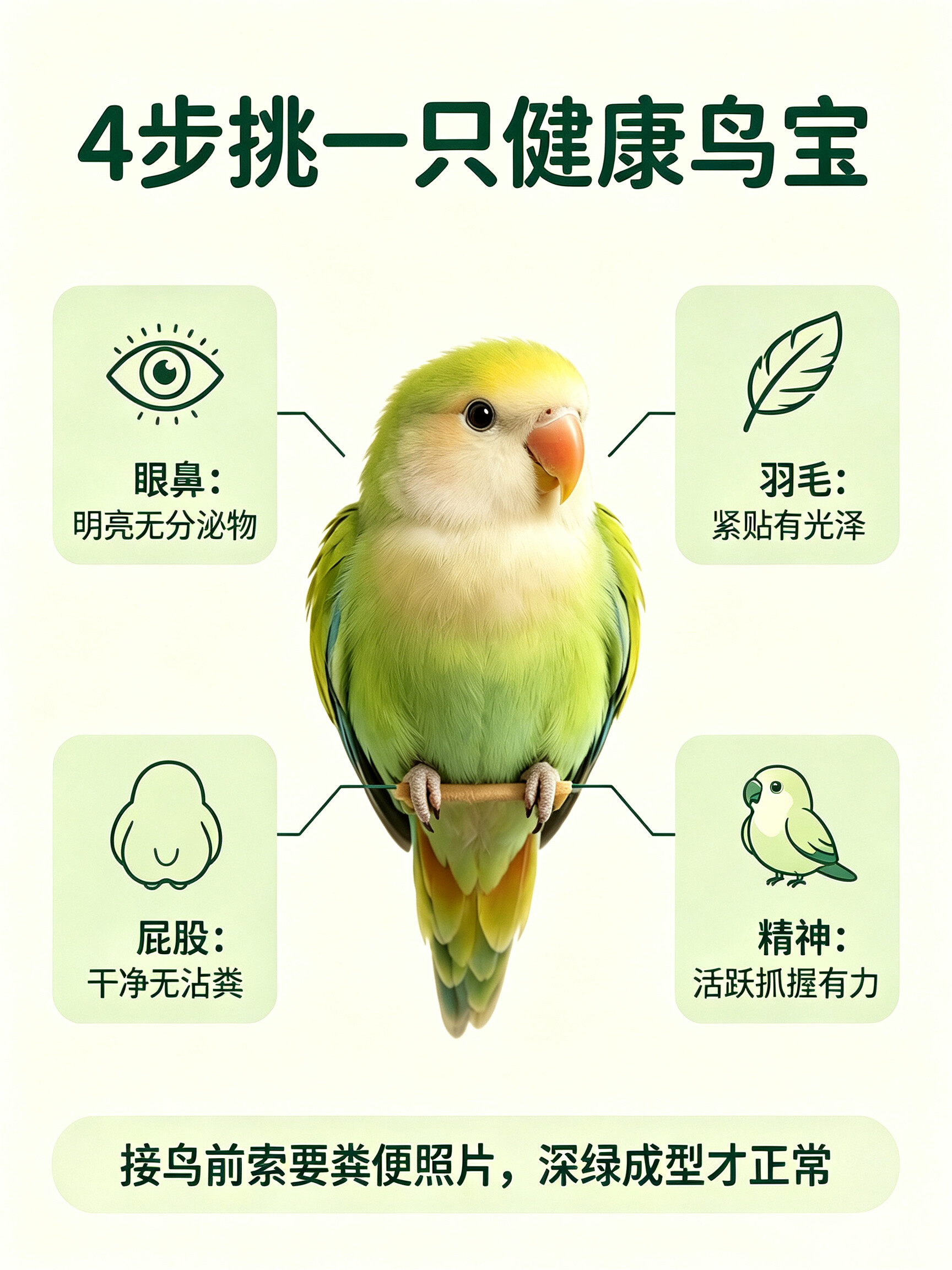
Subheading: When selecting a parrot on-site, keep these 4 points in mind to avoid weak or sick birds. Upon picking up your bird from an aviary or pet market, quickly self-check using these four visual dimensions:
Eyes and nose: Clear, bright eyes; nostrils clean with no fluid, crusting, or discharge.
Feathers: All body feathers lie flat against the skin, shiny and smooth with no bald spots.
Perianal: Clean, no fecal matter or clumping.
Mental status: Strong grip, active and energetic; not lethargic or withdrawn.
Pro tip: Before purchasing, ask the seller for a photo of today's droppings. Firm, dark green feces indicate a healthy digestive system.
Choose a parrot that fits your lifestyle—the right match is the best.
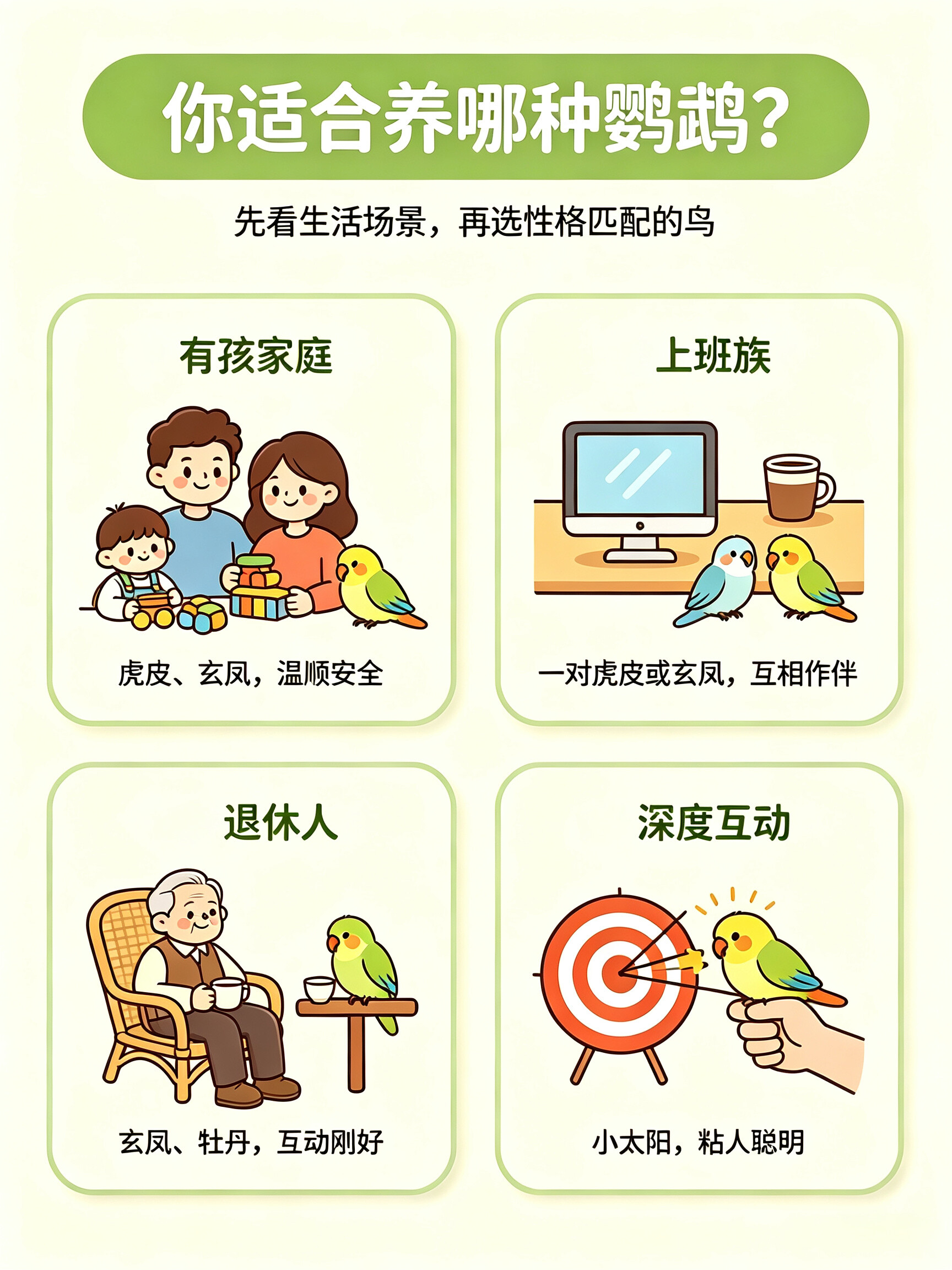
Parrot Recommendations for Different Owners: Choose the Right Fit to Avoid Regret
For families with children: Cockatiels and Budgies have gentle, non-aggressive temperaments, making them safer for kids.
For office workers: Keep parakeets or cockatiels in pairs. They keep each other company, so they won't feel lonely when you're away.
Retirees: Cockatiels and Lovebirds; moderate interaction intensity with the perfect level of daily companionship.
Seeking Deep Interaction: Sun Conures are affectionate, smart, and trainable in a variety of fun tricks.
Summary:
Core principles for new bird owners:Ensure compliant and safe cages → Choose low-barrier species → Select healthy individuals → Implement slow-paced trainingDon't act on impulse; do your research before bringing a bird home.